



.webp)
Our Chief Commercial Officer shares his reflections and personal opinons from various industry events in September 2025:
"I don’t know about you, but when I wake up in a hotel room and it takes me a minute to remember what city I’m in, it’s a sign of too much travel.
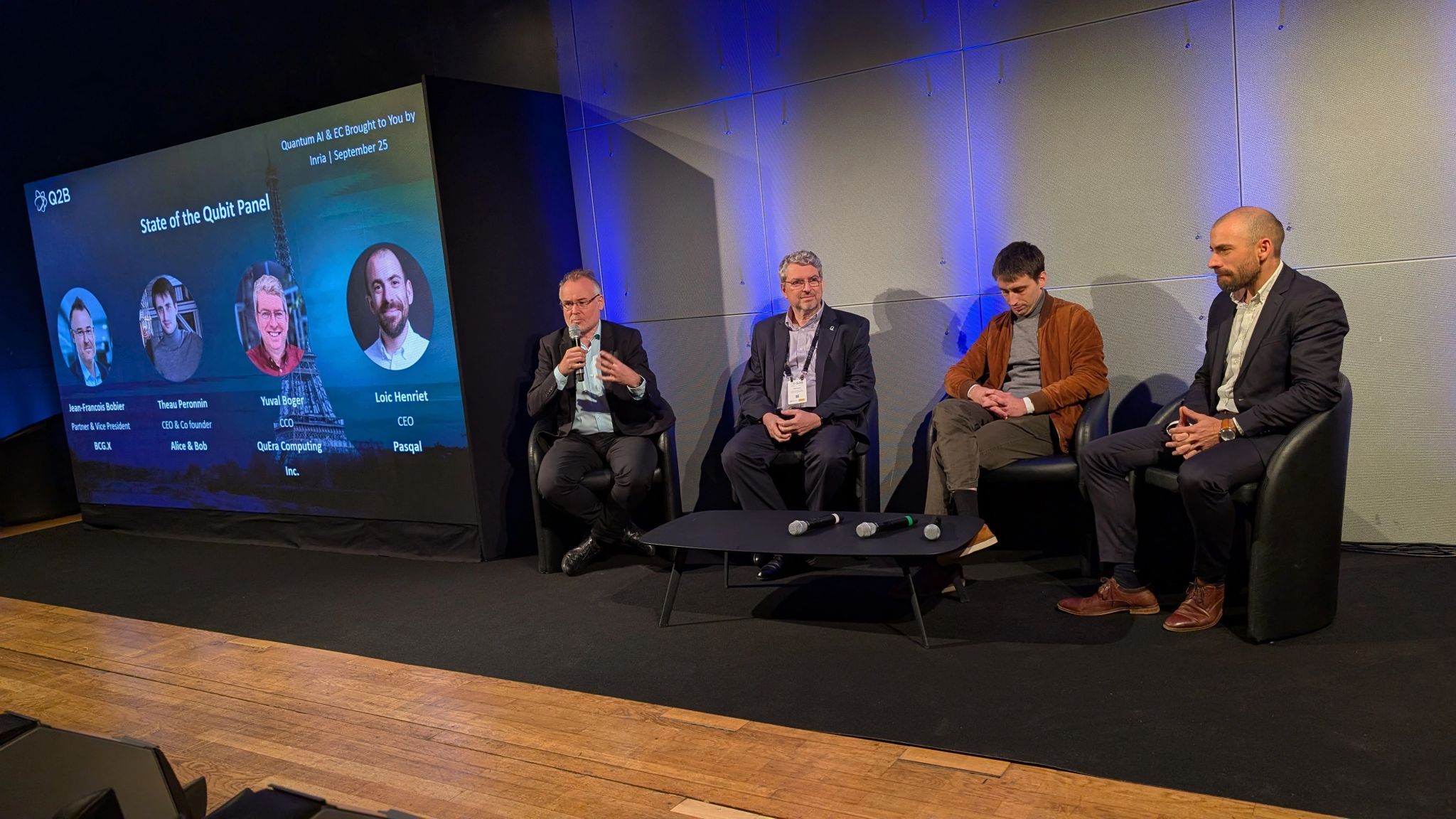
September has been such a month – a conference every week. They were all individually interesting: HPC Forum in Virginia, our global partner meeting in Boston, Quantum World Congress in Virginia (again), and then Q2B Paris. But taken together, it was a bit too much.
Having said that, the great thing about conferences is that they provide unfiltered access to market information. I always loved that when I was head of product management years ago: you can’t truly understand the world from behind an web browser; you have to go out and talk to the people who are fighting to daily fights with their qubits.
So, what is the state of quantum computing these days? A few quick personal observations from all this time in “the field”:
Quantum is still primarily a scientific instrument. Scientist are using quantum computers to explore interesting scientific questions. Reports such as “string breaking” and “exotic phases of matter” are indeed moving the condensed matter physics and other topics forward. There is also plenty of research into quantum itself: better qubits, new error correction methods, improved algorithms.
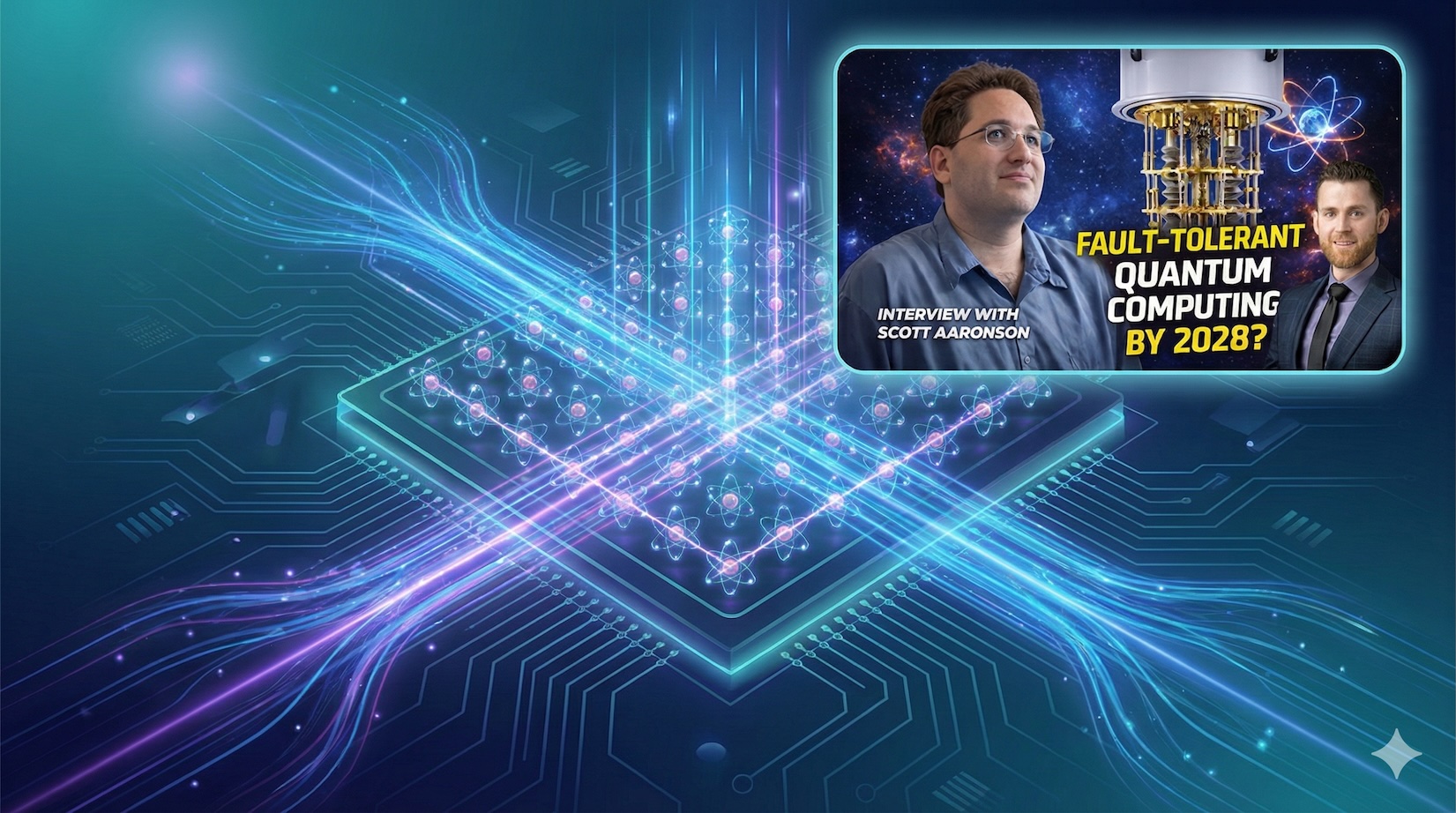
Can quantum computing bring true value today to enterprise innovators – beyond workforce development, learning, experimentation, and preparing for future generations of quantum computers? Probably not. You can argue if the HSBC bond trading results were significant or accept Scott Aaronson’s critique of them. You can spot occasional tightly-bound areas where quantum seems to have some advantages over classical machine learning methods. But as a whole, the answer is: while an enterprise should engage in quantum to prepare for the future, significant business value is not there today. To paraphrase a famous scene from “When Harry met Sally”, if someone tells me that true quantum value is happening now, I’d like to drink what they’ve been drinking.
Competition is starting to form. It was fun while it lasted – a nascent industry where everyone was just hoping to grow the pie together. We’re starting to see firms directly contradicting what other vendors of the same quantum modality are saying. I sat through a presentation by a photonics vendor that primarily focused on their well-funded competitor without explicitly saying their name. Many of us came out of the presentation thinking that this well-funded competitor is “living rent-free in the head” of the presenting company. Still, those some of the innocent early days are gone, this is still a tremendously exciting and fascinating market to be in.
Quantum hardware needs software. Just like a fantastic CPU is practically useless without an operating system or a development environment, serious software efforts will be required to power all these fancy quantum computers. Compilers, schedulers, visualizing tools, algorithms and applications. But let’s also remember that “quantum software needs hardware”, and the development roadmaps of the hardware vendors will ultimately determine when significant demand for software will appear.
HPC managers are taking notice. Just look at the agenda of recent “HPC User Forum” events. Quantum topics used to be a 20-minute panel. Now they are half-day front and center discussions. The industry is truly moving from “one day” to “Day One”.
Customers are confused. Generally speaking, all quantum roadmaps look alike. “We’ll create an amazing quantum computer by 2029, give or take a couple of years”. How does a customer tell the difference between science from science fiction? Between a fancy slide and real progress? Some market education is required to help potential customers understand what’s behind the curtain.
We are on the runway. I found the analogy of commercial aviation to be useful in visualizing the state of quantum. I’ll go into greater detail in a future post, but let’s agree that he Wright brothers flight was an amazing achievement, but it was far from a useful business service. Several companies have by now demonstrated the ability to build a quantum computer (and deploy it on-prem or on the cloud). A few, like QuEra, have shown the ability to detect and correct errors, a “must have” capability for serious computers. But have we taken off to the land of business value? Not yet, but I do think we are on the runway and taxying slowly towards takeoff."
What do you think? What have we forgotten or gotten wrong about these takes?
.webp)